
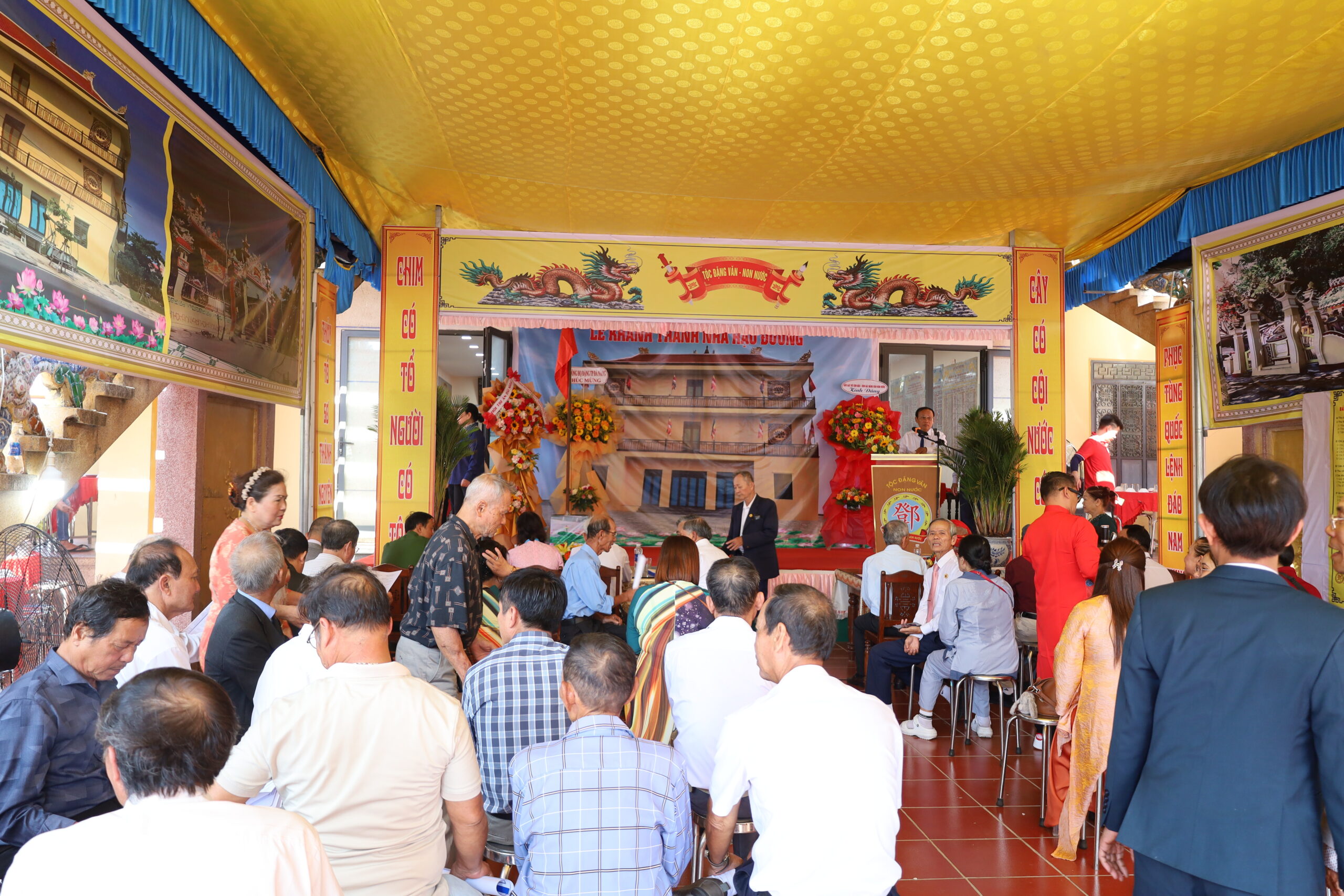
Ngũ Hành Sơn, Đà Nẵng — mái nhà chung từ năm 1519
Tộc Đặng Văn Non Nước
Năm trăm năm trước, một người đặt tên cho một dòng họ. Năm trăm năm sau, con cháu vẫn ngồi lại bên nhau mà nói: “Đặng Tộc là anh em.”
Kính mời quý vị bước vào ngôi nhà chung, khởi từ thuỷ tổ Đặng Văn Cẩn năm 1519 — từ đường nay ở Kiệt 420, đường Lê Văn Hiến
Tin trong họ
Bài mới nhất
-
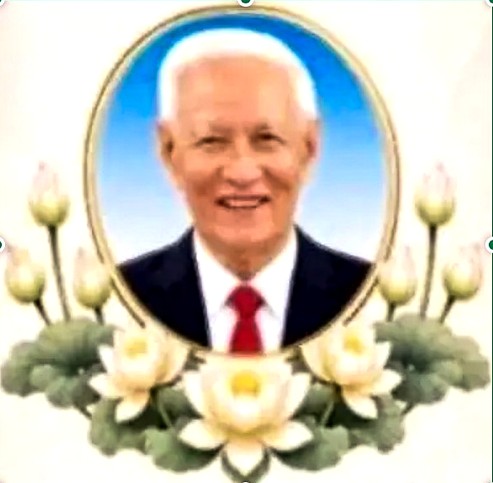
Lễ viếng cụ ông Đặng Văn Long: Một đời tận hiến vì tiên tổ, dòng tộc
Cụ ông Đặng Văn Long, pháp danh Chánh Quy, nguyên Uỷ viên Ban Liên lạc Họ Đặng Việt Nam, nguyên Phó Trưởng Tộc Đặng Văn Non Nước, từ trần ngày 28/9/2026, hưởng thọ 83 tuổi. Họ Đặng Việt Nam và Tộc Đặng Văn Non Nước đến viếng, trao…
-
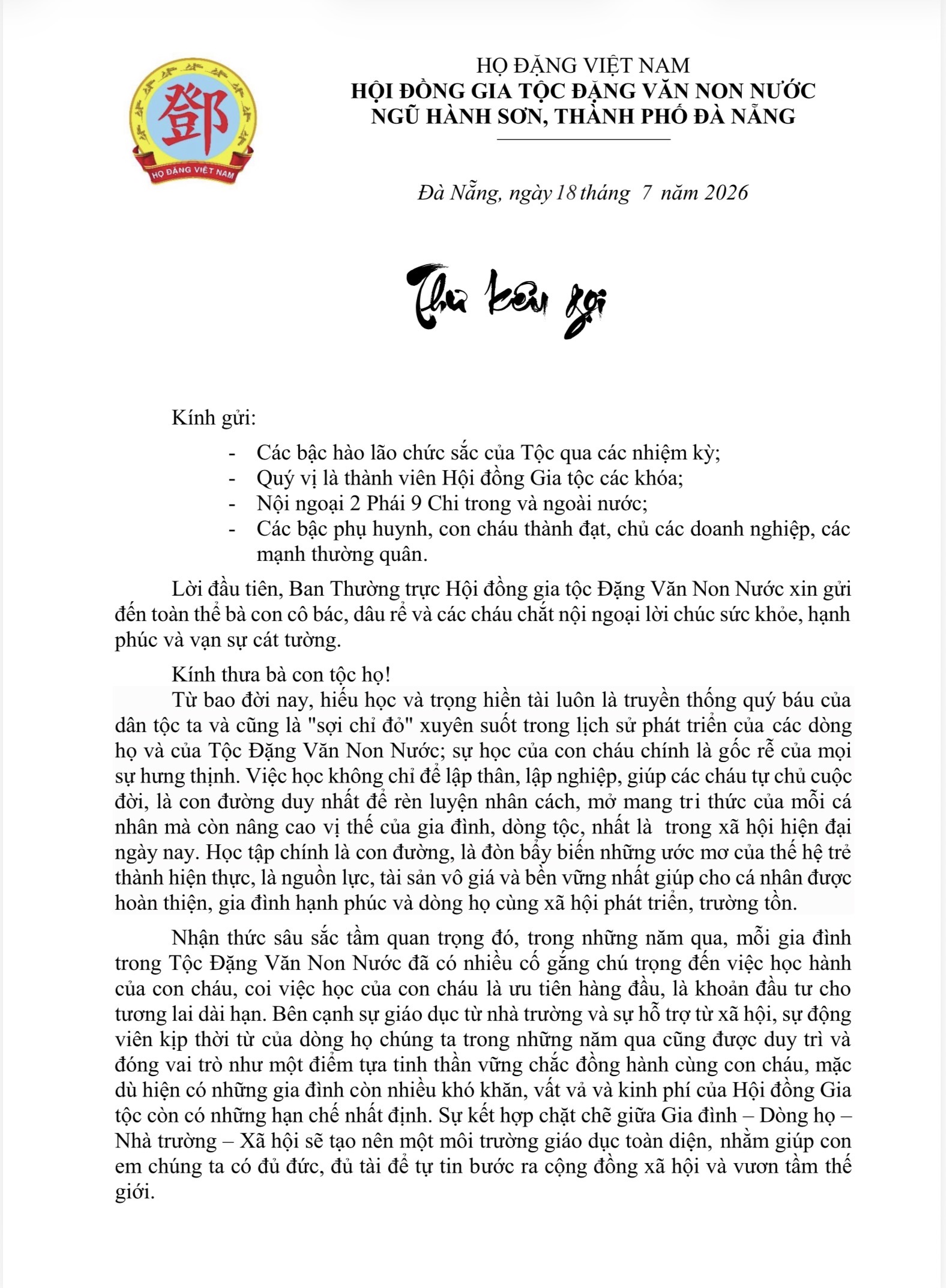
Thư kêu gọi đóng góp xây dựng Quỹ khuyến học, khuyến tài
Thưa quý vị, ngày 18 tháng 7 năm 2026, Ban Thường trực Hội đồng Gia tộc Đặng Văn Non Nước đã gửi thư kêu…
-

Lễ kỷ niệm 20 năm Nhà thờ Tộc Đặng đón bằng di tích
Bản trình chiếu ghi lại Lễ kỷ niệm 20 năm ngày đón nhận bằng di tích lịch sử – văn hóa của Nhà thờ…
-

Nhà thờ Tộc Đặng Văn Non Nước theo dòng lịch sử hơn 400 năm
Sơ đồ tiến trình lịch sử treo trong khu trưng bày bắt đầu từ một mốc rất xa: những năm 1558–1570, khi Ngài Thủy…
-
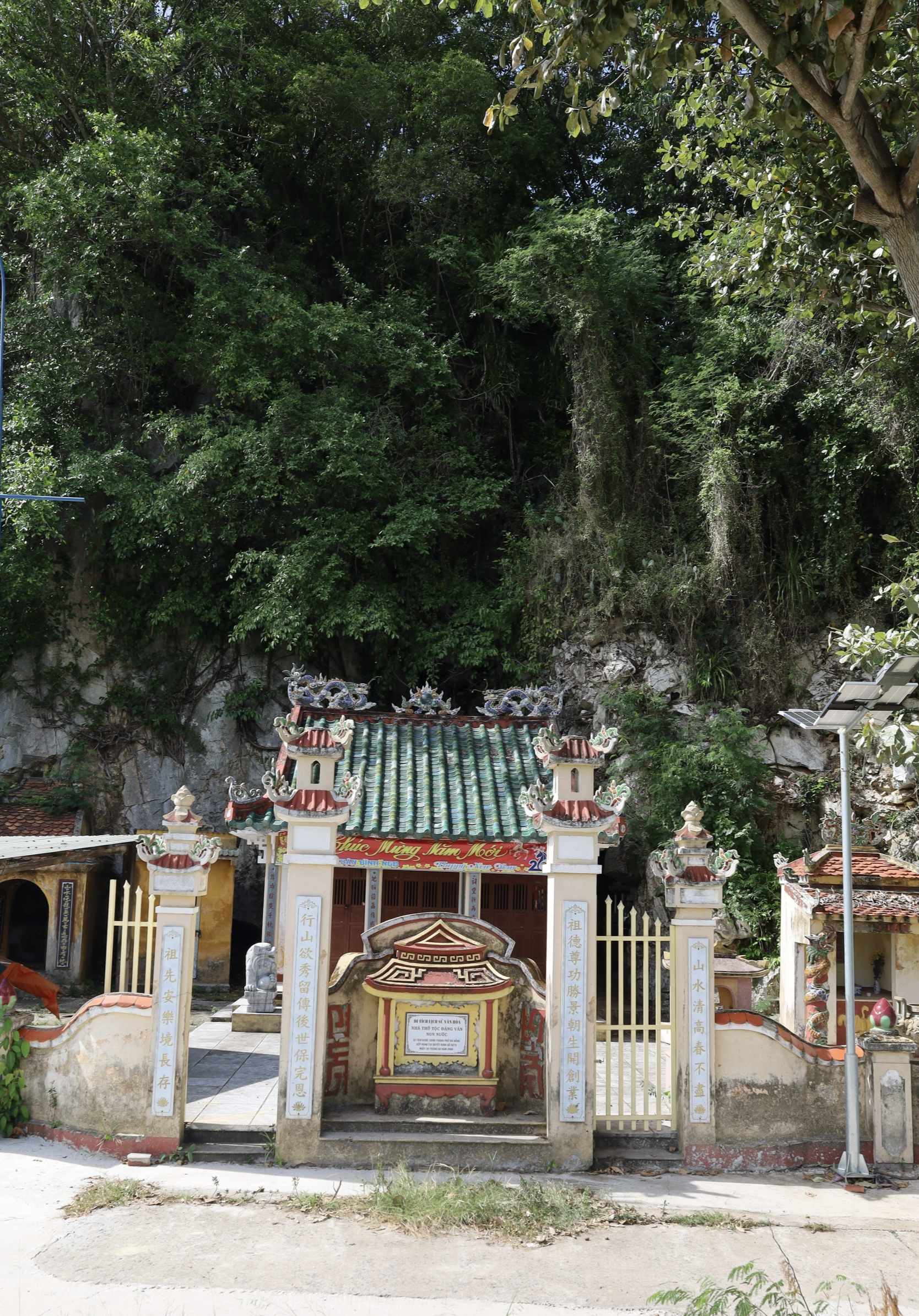
Nhà thờ cổ ở núi Nam Hỏa Sơn
Tại núi Nam Hỏa Sơn, phường Ngũ Hành Sơn, thành phố Đà Nẵng, có ngôi nhà thờ cổ của Tộc Đặng Văn Non Nước.…
-
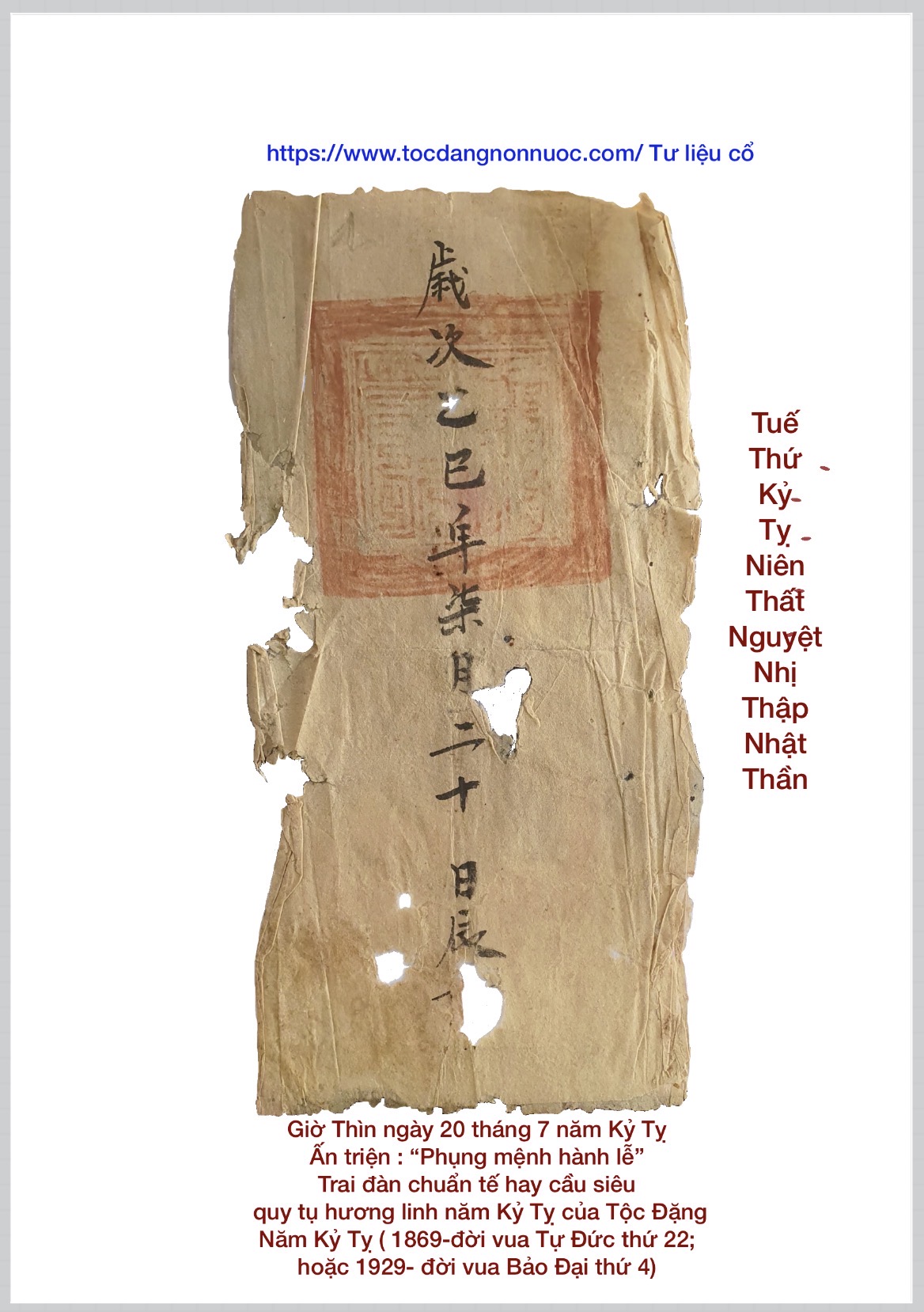
Sớ văn Trai đàn chuẩn tế, cầu siêu quy tụ hương linh Kỷ Tỵ
Sớ văn Trai đàn chuẩn tế — cũng gọi là sớ văn cầu siêu quy tụ hương linh — của Tộc Đặng Văn Non…
-
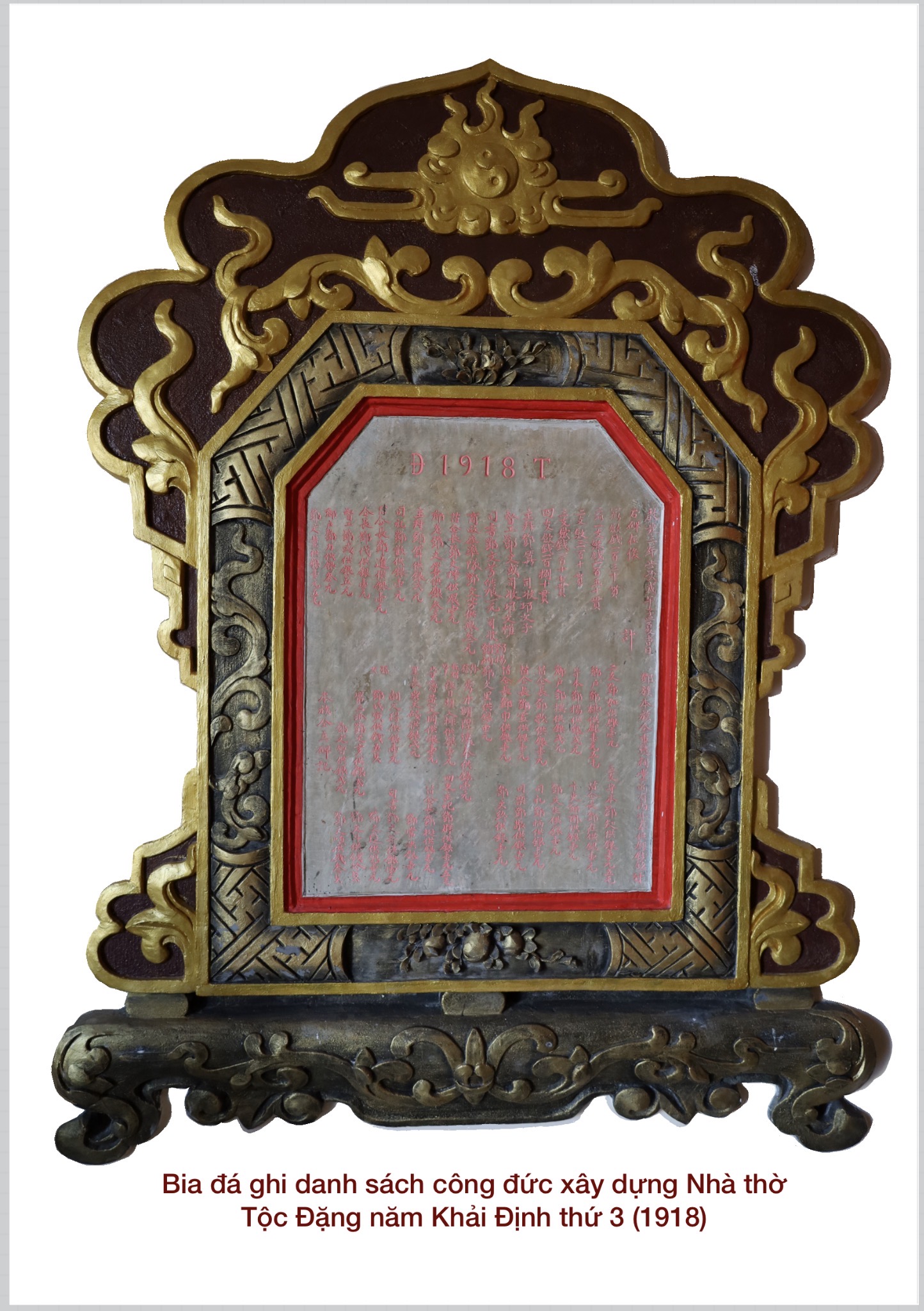
Bia ghi danh sách công đức nhà thờ cổ, Khải Định 3 (1918)
Mười lăm năm sau tấm bia năm Thành Thái thứ 15, đến năm Khải Định thứ 3, tức năm 1918, Tộc Đặng Văn Non…
Gia phả
Ba mươi mốt đời từ thuỷ tổ
Tra cứu tên, xem chi phái và đời của từng người trong phả hệ đang được cập nhật.
Nơi thờ tự
Từ đường
-
Thư kêu gọi đóng góp xây dựng Quỹ khuyến học, khuyến tài
Thưa quý vị, ngày 18 tháng 7 năm 2026, Ban Thường trực Hội đồng Gia tộc Đặng Văn Non Nước đã gửi thư kêu…
-
Lễ kỷ niệm 20 năm Nhà thờ Tộc Đặng đón bằng di tích
Bản trình chiếu ghi lại Lễ kỷ niệm 20 năm ngày đón nhận bằng di tích lịch sử – văn hóa của Nhà thờ…
-
Nhà thờ Tộc Đặng Văn Non Nước theo dòng lịch sử hơn 400 năm
Sơ đồ tiến trình lịch sử treo trong khu trưng bày bắt đầu từ một mốc rất xa: những năm 1558–1570, khi Ngài Thủy…
Khuyến tài – Khuyến học
Con cháu học hành
-

Lễ Giỗ Thủy tổ và vinh danh học sinh, sinh viên 2025-2026
Kính thưa quý vị, sáng ngày 25 tháng 7 năm 2026, nhằm ngày 12 tháng 6 năm Bính Ngọ, trong không khí trang nghiêm…
-
Chúc mừng Đại hội Chi hội Khuyến học Tộc Đặng khóa 5
Ngày 30 tháng 4 năm 2026, khi cả nước đang tưng bừng kỷ niệm ngày giải phóng miền Nam, thống nhất đất nước, ngày…
-
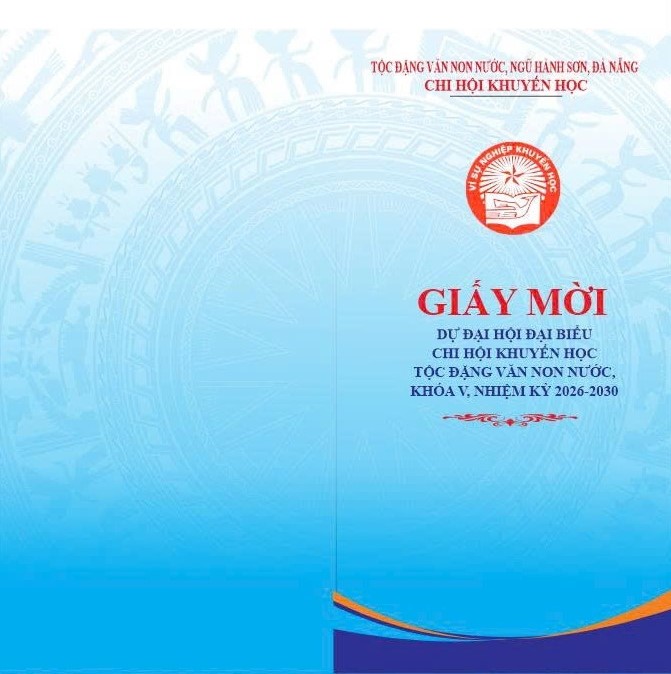
Giấy mời Đại hội Chi hội Khuyến học Tộc Đặng Văn Non Nước
Tấm giấy mời bao giờ cũng đi trước sự kiện một quãng, và nó là thứ đầu tiên báo cho con cháu biết rằng…
Người xưa
Nhân vật lịch sử
-
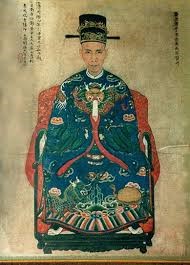
Hoàng Trung Đặng Huy Trứ — khai lập ngành Nhiếp ảnh Việt Nam
Mùa xuân năm Đinh Mùi 1847, một người trẻ tuổi của làng Thanh Lương bước vào khoa thi Hội, trúng cách đỗ tiến sĩ,…
-
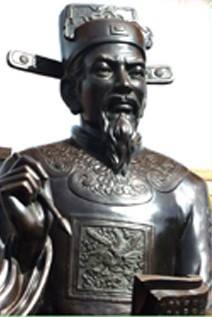
Minh kinh bác học Đặng Nghiễm – Người khai khoa đất học
Năm 1185, ở khoa thi đầu tiên chọn hiền sỹ của vương triều nhà Lý, trong số năm vị đại khoa được xướng danh…
-
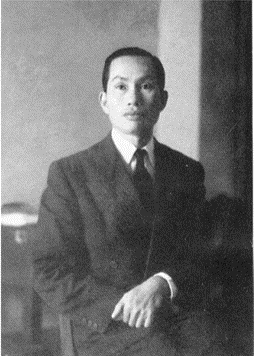
GS, bác sĩ Đặng Văn Ngữ — trọn đời cho ngành Ký sinh trùng
Một phòng thí nghiệm dựng bằng tre, bằng nứa, lợp lá, đặt giữa núi rừng Việt Bắc ở Chiêm Hóa, Tuyên Quang — nơi…